

Understanding Pneumatic Ball Valves and Their Applications
Pneumatiska kulventiler are essential components in modern industrial fluid control systems. Unlike manual valves, these valves are operated using compressed air, which allows for rapid and precise control of fluid flow. They are widely used in industries such as chemical processing, water treatment, food and beverage, and HVAC systems due to their reliability and automation capabilities.
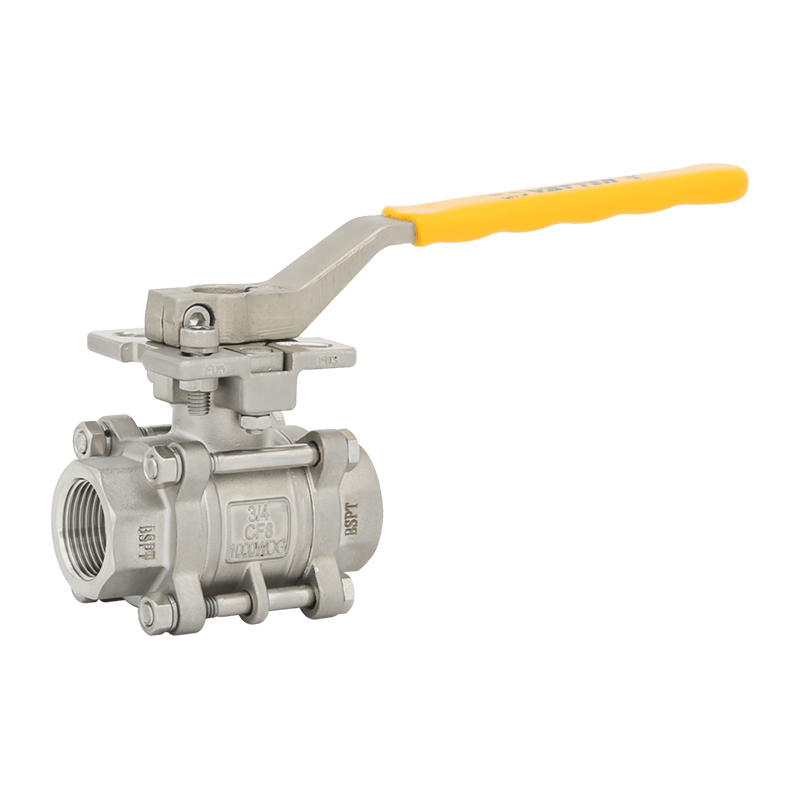
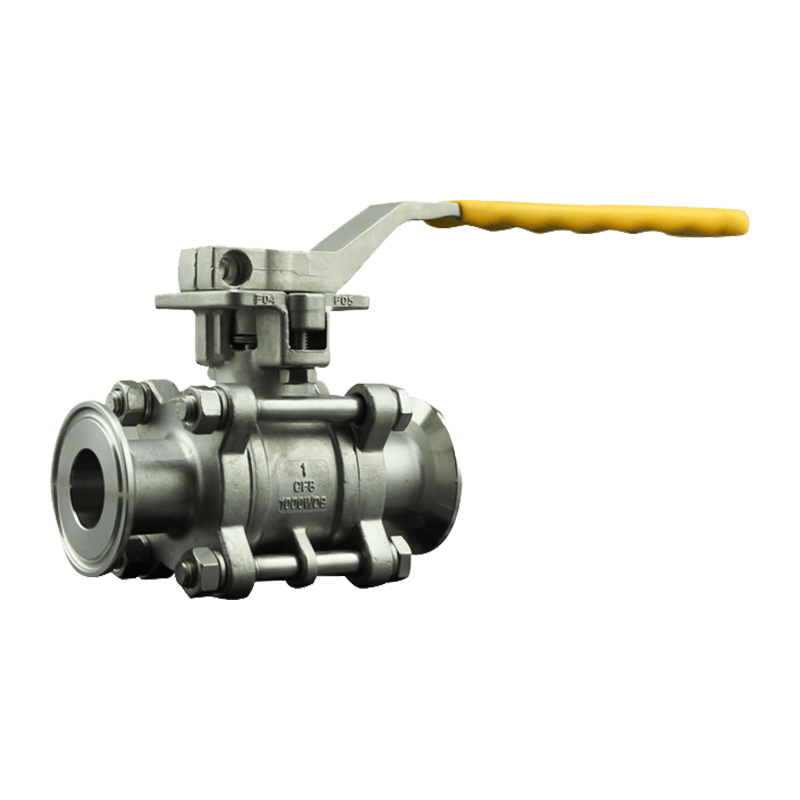
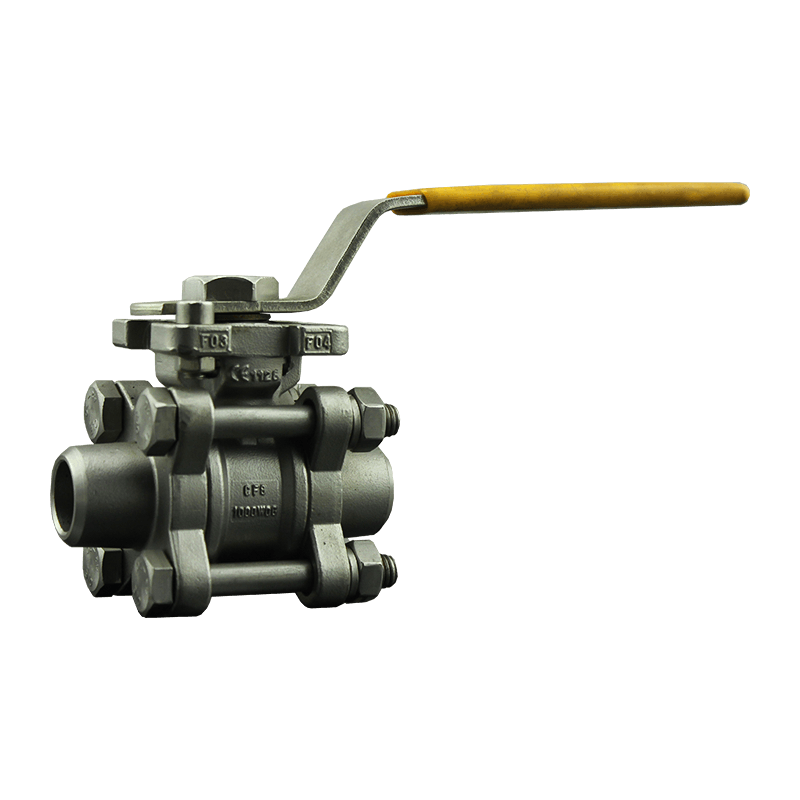
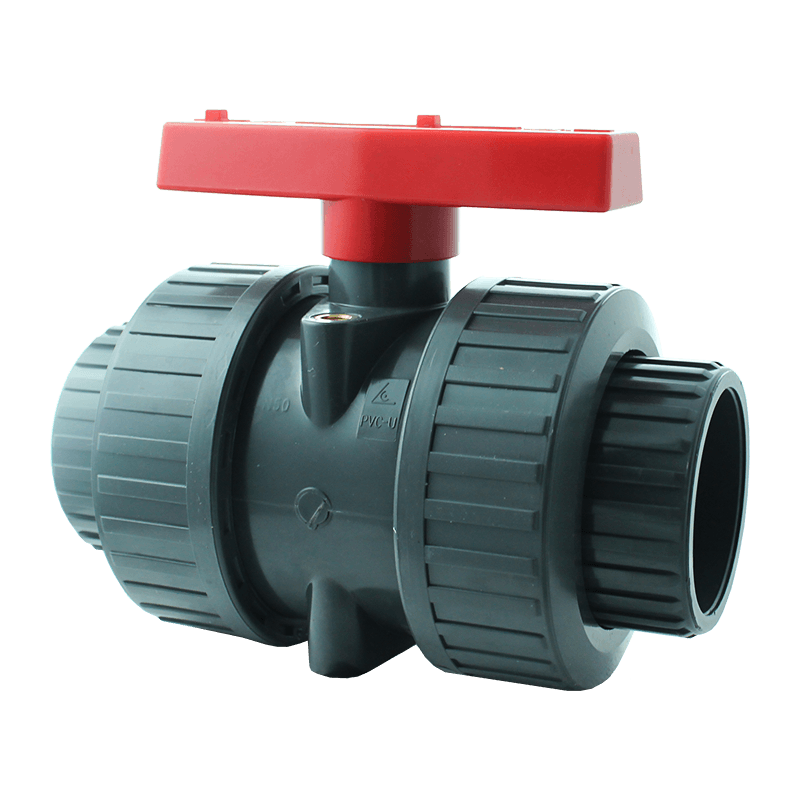
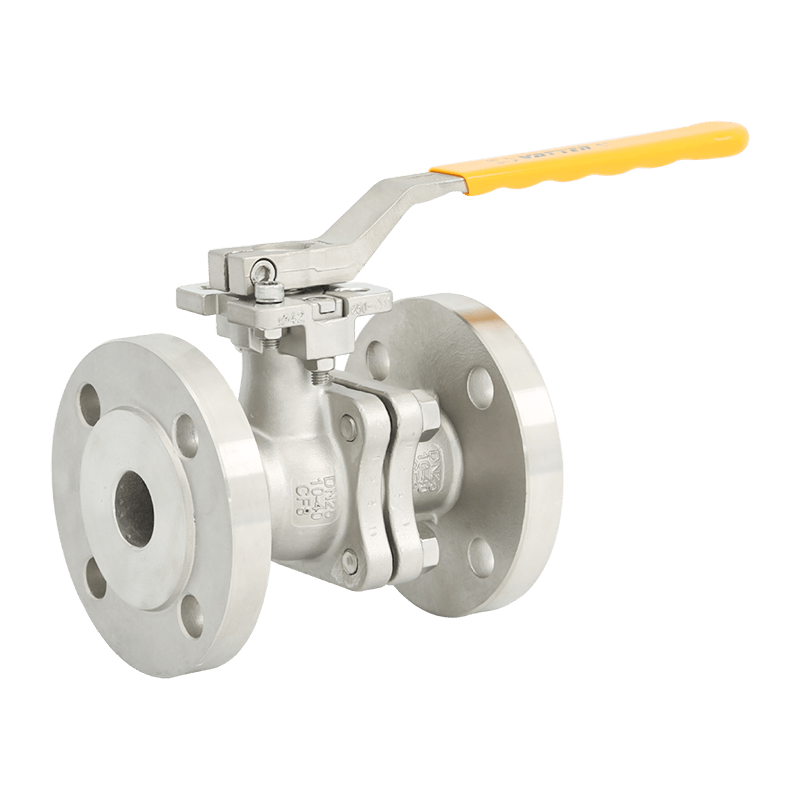
A pneumatic ball valve consists of a spherical closure unit, known as a ball, which rotates to either allow or block the flow of liquids or gases. When paired with a pneumatic actuator, the valve can be opened or closed remotely, reducing manual intervention and improving operational efficiency.
Typer av pneumatiska kulventiler
There are several types of pneumatic ball valves, each suited to specific applications. Selecting the correct type ensures optimal performance and longevity.
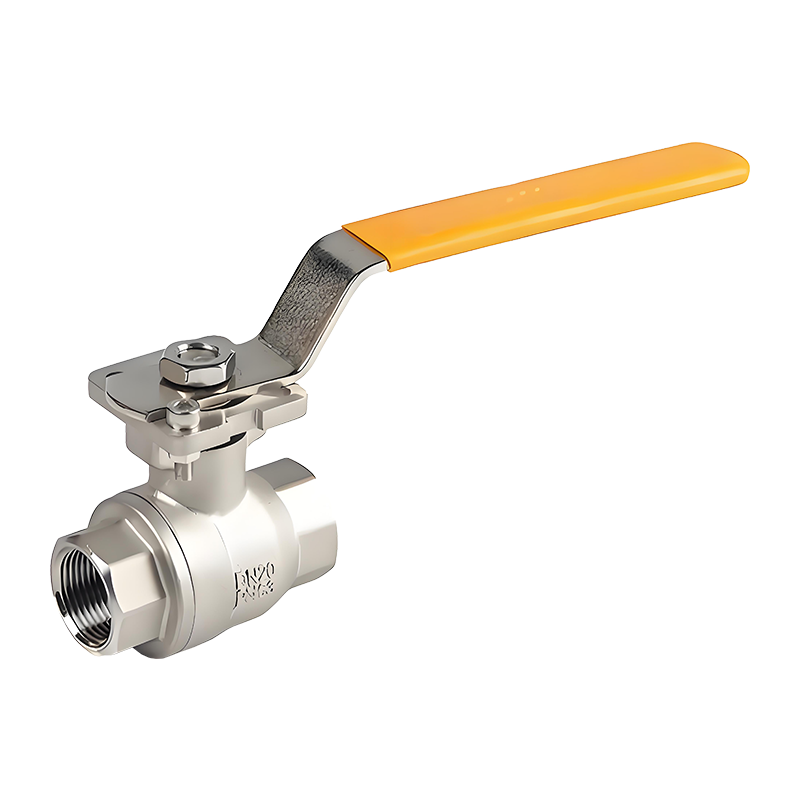
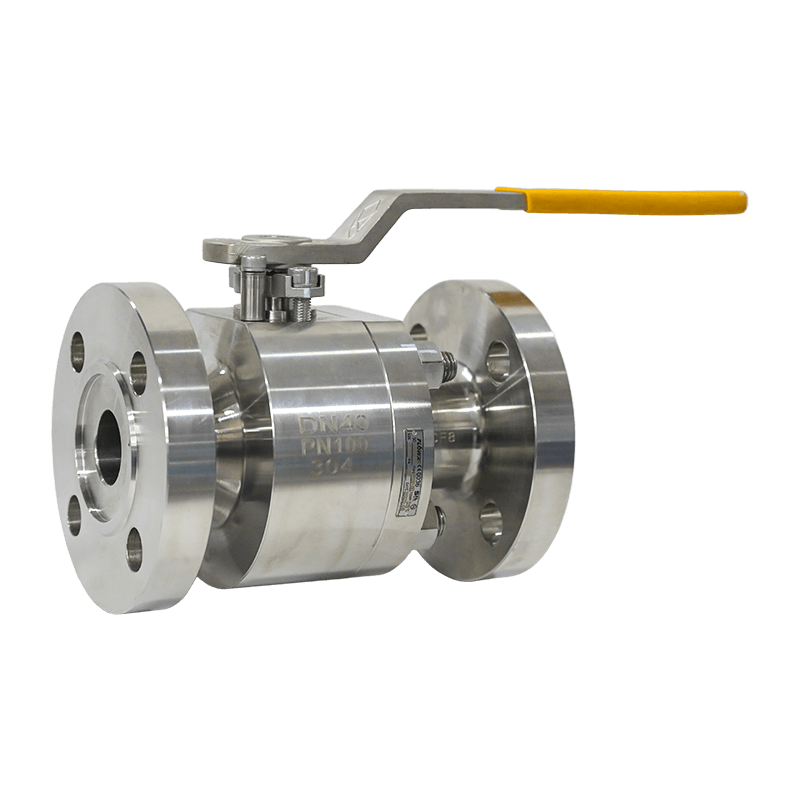
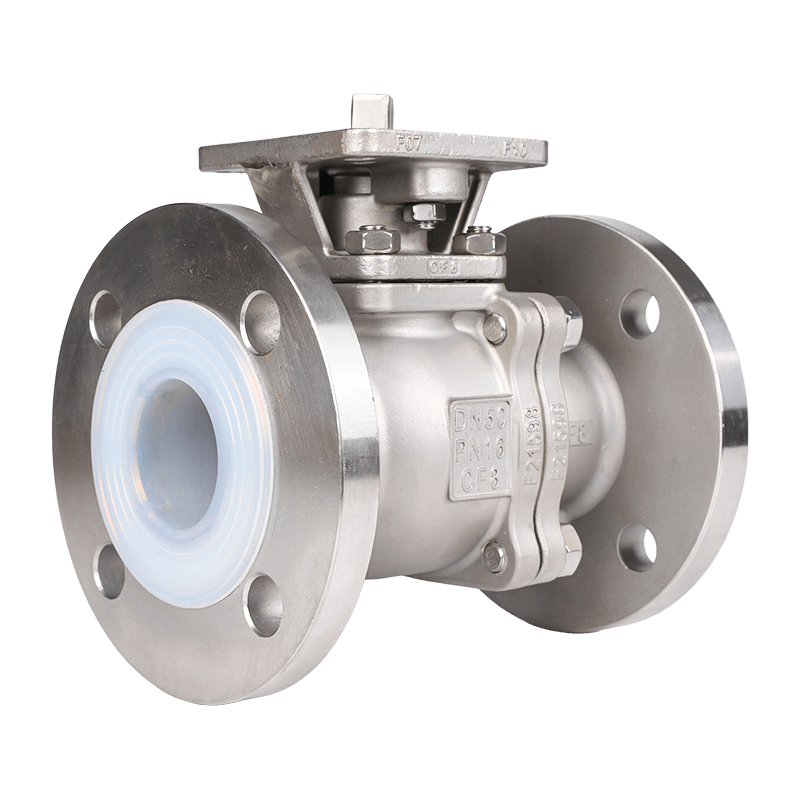
Tvåvägs pneumatiska kulventiler
The most common type, two-way valves, feature one inlet and one outlet. De är idealiska för enkel på/av flödeskontroll. These valves are compact and can handle high pressure and temperature variations.
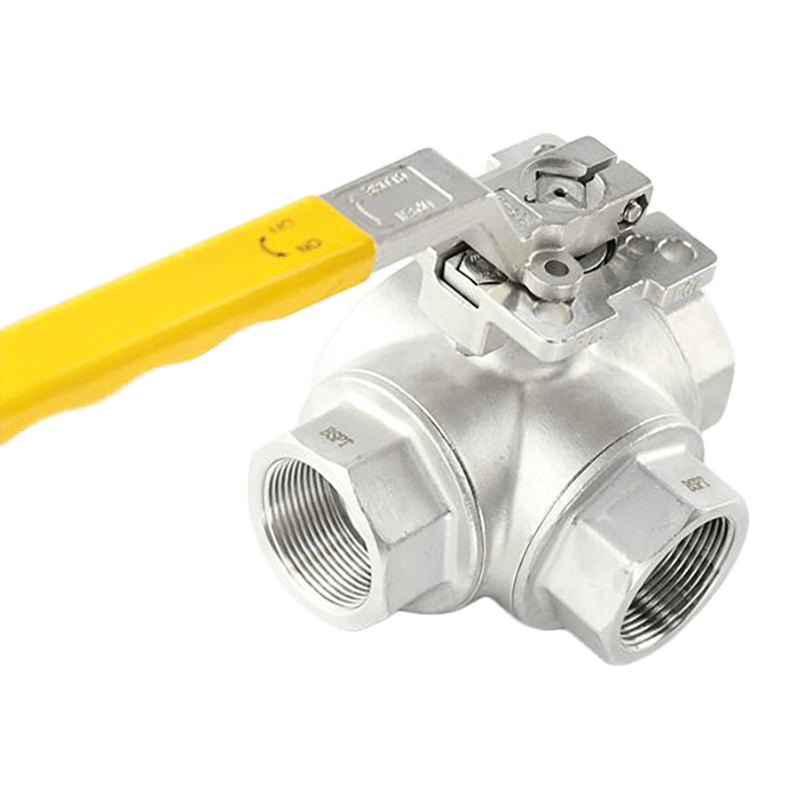
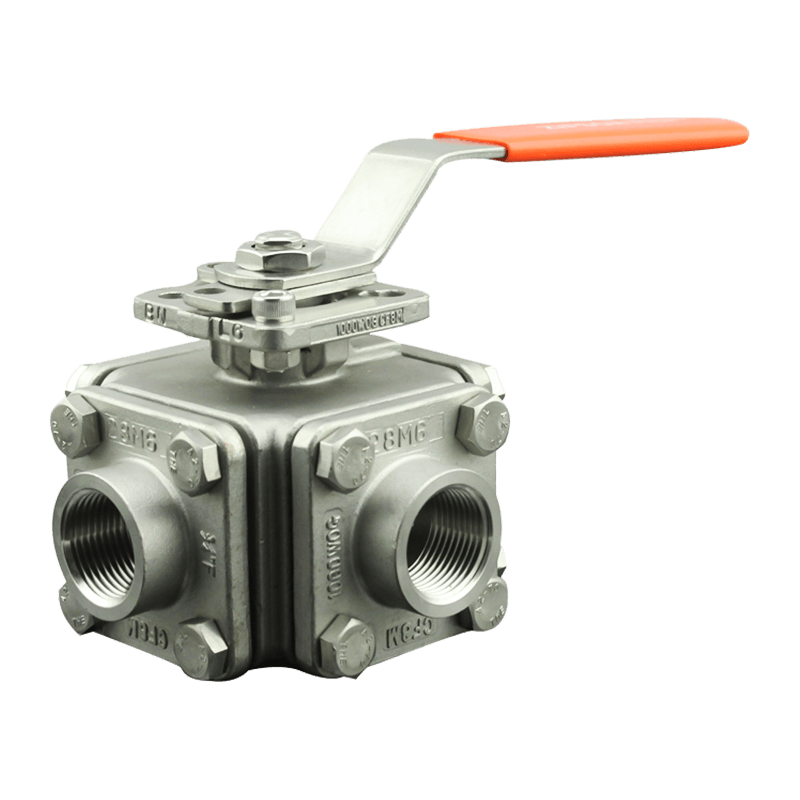
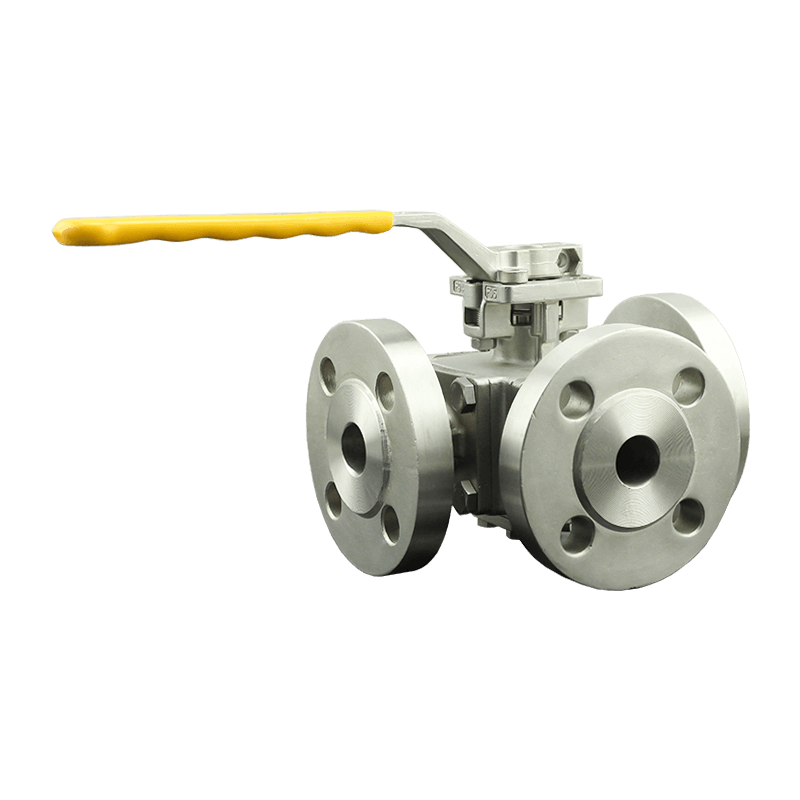
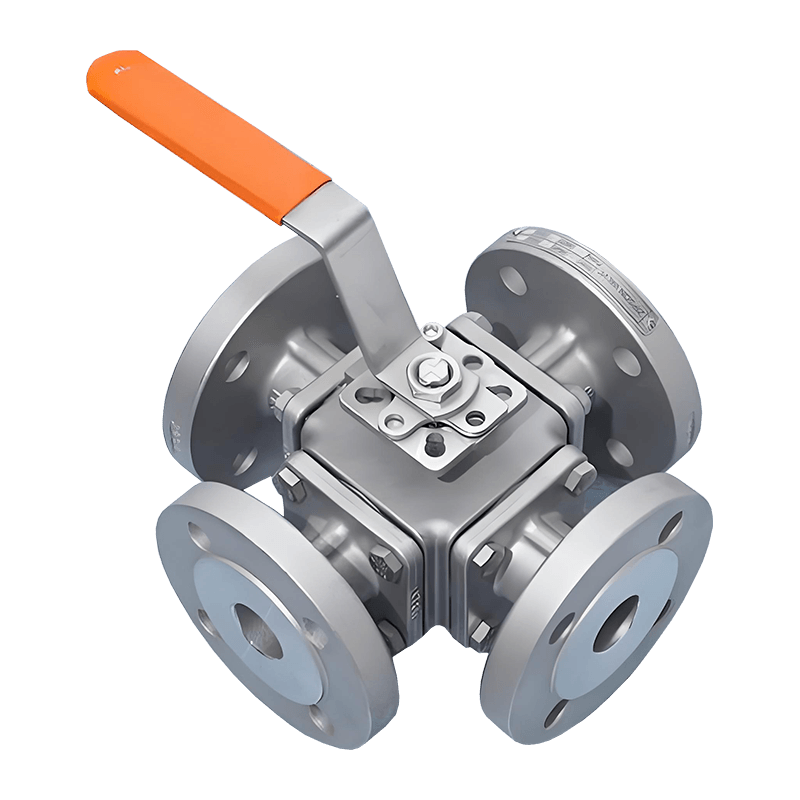
Trevägs pneumatiska kulventiler
Three-way valves have one inlet and two outlets (or vice versa), allowing for flow diversion or mixing. They are commonly used in applications requiring fluid direction change, such as HVAC or chemical blending systems.
V-Port pneumatiska kulventiler
V-port ball valves feature a V-shaped ball that provides better flow control and throttling capability. These are highly useful in applications requiring precise flow regulation rather than just on/off control.
Installation bästa praxis
Proper installation of pneumatic ball valves ensures long-term reliability and avoids operational issues. Following these best practices will optimize valve performance:
- Check for compatibility between valve materials and the fluid type.
- Ensure that the pipeline is free of debris before installation.
- Align the valve properly with the pipeline to avoid stress on the actuator.
- Install isolation valves upstream and downstream for maintenance convenience.
- Verify the actuator is supplied with the correct air pressure and signal type.
Drift och kontroll av pneumatiska kulventiler
Pneumatic ball valves operate using compressed air, which activates the internal actuator to rotate the valve ball. Det finns två huvudtyper av ställdon:
Enkelverkande ställdon
These actuators use air pressure to open the valve and a spring to close it. Single-acting actuators are simple, reliable, and safe in power-loss situations since they fail to a predetermined position.
Dubbelverkande ställdon
Double-acting actuators use air pressure for both opening and closing. They provide faster operation and precise control but require continuous air supply for both movements.
Automated control can be integrated with PLCs or control panels, allowing remote monitoring and advanced process automation. Combining a pneumatic ball valve with positioners or solenoid valves improves response times and reduces human error in industrial systems.
Underhåll och felsökning
Regular maintenance ensures pneumatic ball valves remain reliable and reduces downtime. Viktiga steg inkluderar:
- Inspect the valve for leaks, corrosion, or wear on the ball and seat.
- Check actuator performance, including air supply and response time.
- Lubricate moving parts if required by manufacturer recommendations.
- Test the valve in both open and closed positions periodically.
Vanliga felsökningsproblem inkluderar:
| Fråga | Orsak | Lösning |
| Ventilen öppnar inte | Otillräckligt lufttryck | Kontrollera lufttillförsel och anslutningar |
| Läckage vid säte | Sliten boll eller sits | Byt kula och säte |
| Slow operation | Smutsigt ställdon eller rör | Rengör ställdon och rörledningar |
Selecting the Right Pneumatic Ball Valve for Your System
When selecting a pneumatic ball valve, consider the following factors to ensure optimal performance:
- Type of fluid (water, chemicals, gas) and its properties.
- Krav på drifttemperatur och tryck.
- Ventilstorlek och flödeskapacitet.
- Aktiveringstyp och kontrollmetod.
- Material compatibility for corrosion resistance and durability.
Choosing a valve that meets both technical requirements and industry standards ensures safe, reliable, and long-lasting operation.
Slutsats
Pneumatic ball valves are versatile and efficient solutions for automated fluid control in industrial systems. By understanding their types, installation procedures, operation mechanisms, and maintenance practices, operators can achieve reliable performance and extend valve lifespan. Proper selection and routine checks will minimize downtime, reduce maintenance costs, and improve overall system efficiency.